Hydroseeding vs. Seeding Service: Which Lawn Restoration Method Is Right for Your Mason, OH, Property?
Choosing the right seeding service for your Mason, OH, property can mean the difference between a lawn that thrives and one that struggles through its first season. Two methods come up most often for Warren County homeowners: hydroseeding and traditional straw seeding. Both can work well, but they serve different situations, property types, and budgets. This guide breaks down how each method works, how Mason's clay-heavy soils factor in, and when to schedule either option in Ohio's climate.
How Each Lawn Restoration Method Works
Traditional seeding is the more straightforward approach. A crew prepares the soil, spreads seed by hand or with a broadcast spreader, then covers it with straw to retain moisture. It requires consistent watering and careful attention through germination. For small repair patches or areas with easy access and flat grade, this basic approach can deliver solid results without a lot of equipment.
What Hydroseeding Adds to the Process
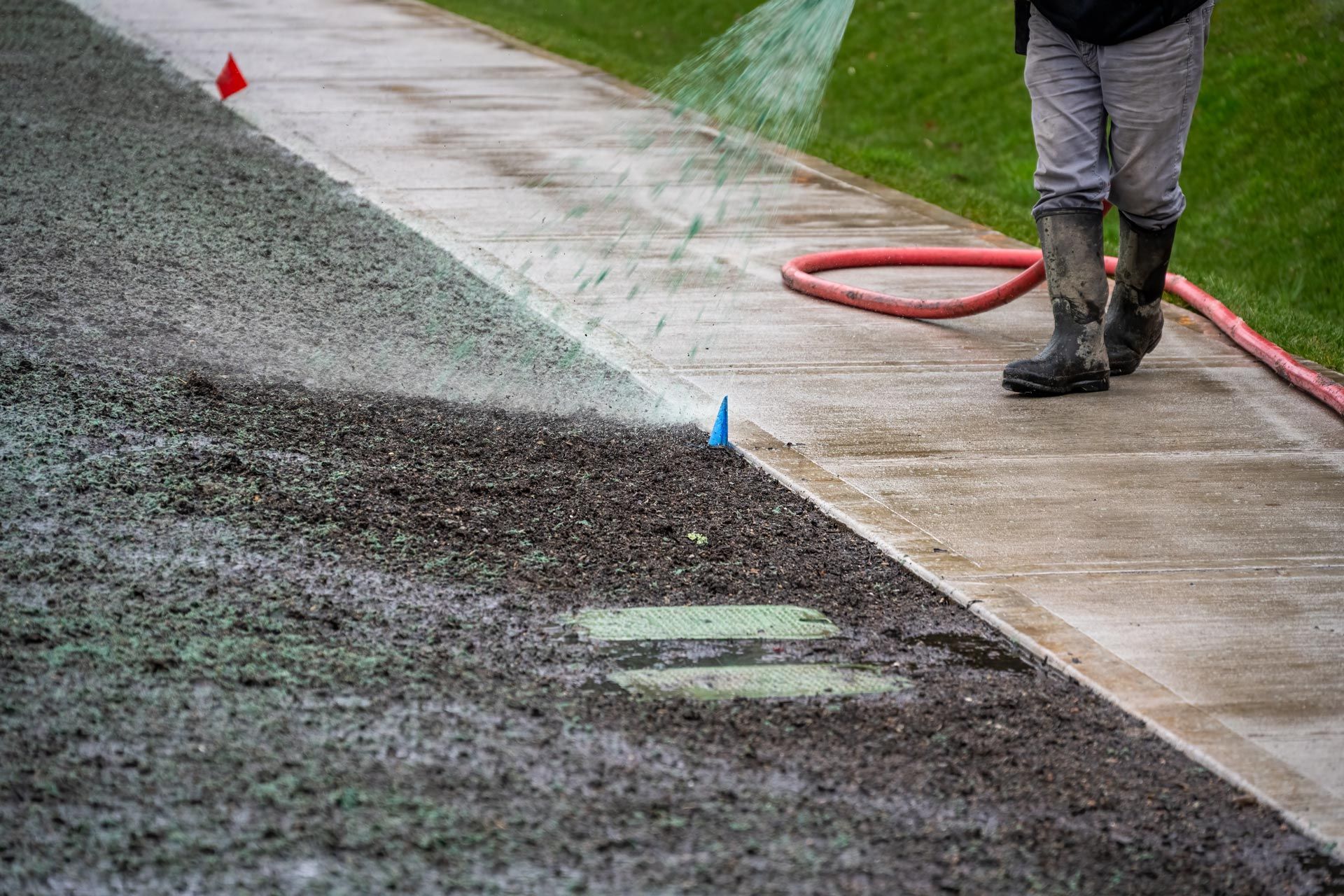
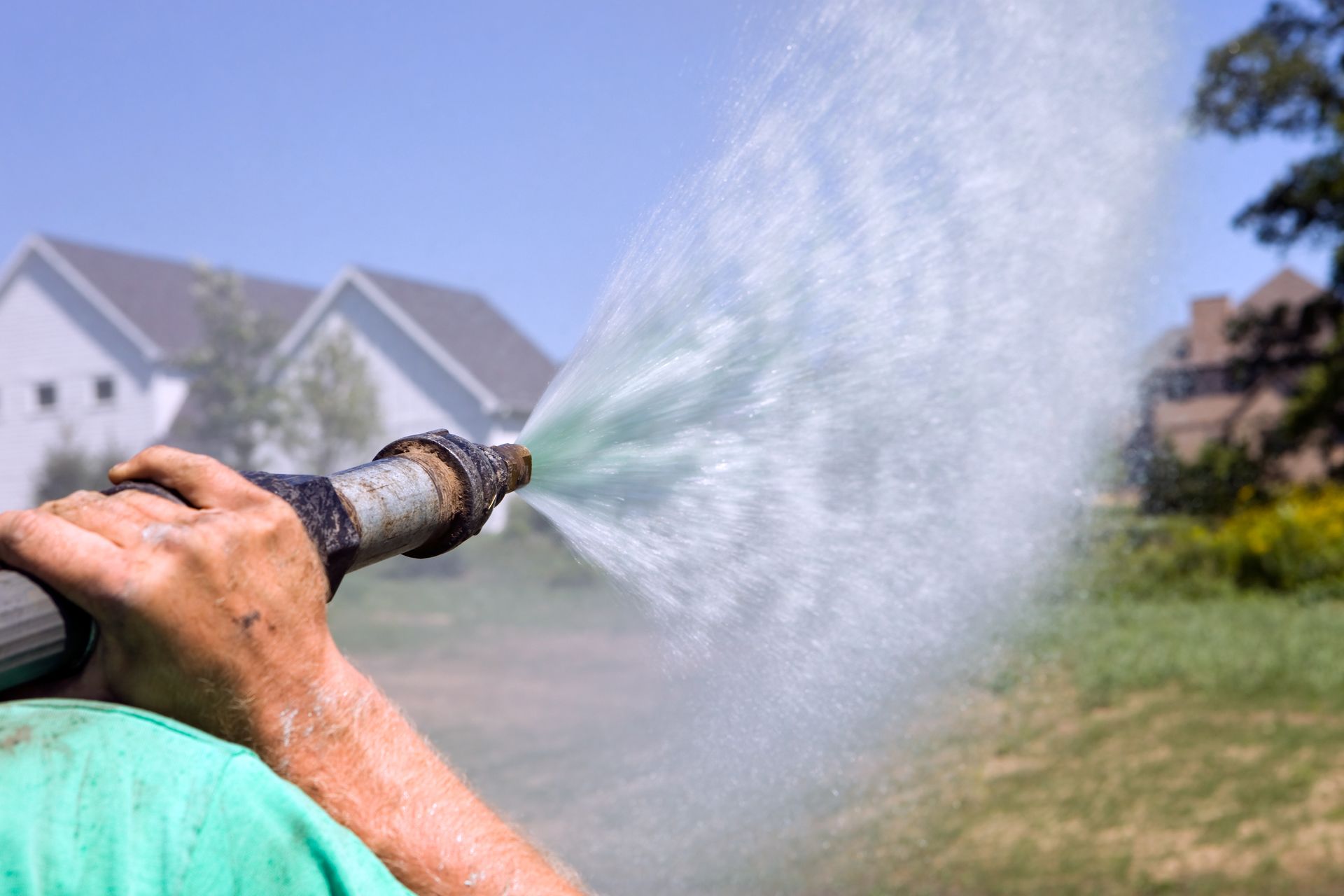
Hydroseeding takes the seed application a step further. A liquid slurry of seed, mulch, fertilizer, and a tackifier agent is sprayed directly onto prepared soil using a specialized machine. The mulch layer holds moisture around the seed, the fertilizer gives early growth a boost, and the tackifier helps the mixture stay in place on slopes. For Mason, OH, properties with rolling terrain, drainage swales, or large open areas, hydroseeding may offer better coverage and erosion control than dry broadcast seeding.
Straw Seeding vs. Hydroseeding Side by Side
Here is a quick look at how the two methods compare across the factors that matter most to local homeowners:
- Straw seeding works well for small to mid-sized flat or gently sloped areas.
- Hydroseeding covers large areas more efficiently and helps control erosion on steeper grades.
- Both methods require proper soil prep before application.
- Germination timelines are similar, though hydroseeding's mulch layer can retain moisture more consistently.
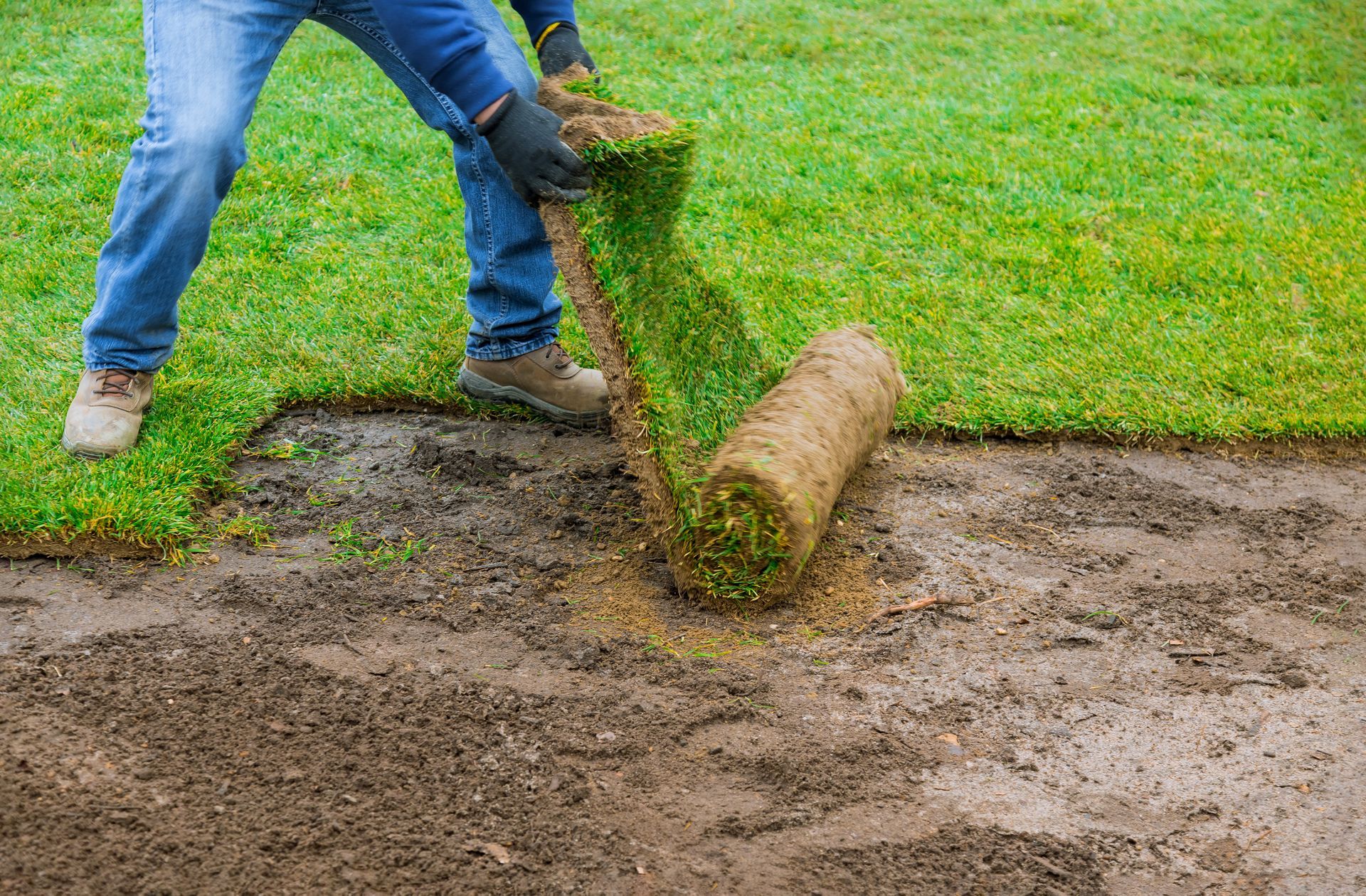
- Neither method produces an instant lawn the way sod installation does.
How Warren County Soils Affect Your Choice
Mason sits in Warren County, where upland soils are commonly mapped as Russell silt loam and Miamian silt loam, with a notable plastic clay content in the subsoil. These soils can drain slowly and compact under foot traffic or heavy equipment. That clay content matters when you are selecting a seeding service in Mason, OH, because compacted, dense soil makes it harder for seed to make good contact and root properly.
Should You Aerate Before Seeding?
For most established Mason lawns with clay-rich soil, aeration before any seeding work is worth serious consideration. Core aeration pulls small plugs from the soil, loosening compaction and improving the path for roots, water, and air. When you aerate ahead of seeding, seed can reach mineral soil more easily rather than sitting on a dense, impenetrable surface. New construction lots near the Fields Ertel corridor or along Mason-Montgomery Road often have stripped or heavily compacted subsoil, making prep work especially important before either hydroseeding or straw seeding begins.
Grass Varieties That Perform Well in Mason
Tall Fescue is a strong choice for Mason properties. It is heat tolerant, handles the shade that older neighborhoods near Mason-Montgomery Road can produce, and holds up reasonably well against disease pressure during Ohio's humid summers. Perennial ryegrass and Kentucky bluegrass are also commonly used in southwest Ohio blends. For hydroseeding, seed blends can be customized to match a property's specific mix of sun exposure, slope, and soil type.
Best Timing for Seeding in Mason, OH
Late summer to early fall is the preferred window for any lawn seeding service in this region of Ohio. Ohio State University Extension identifies mid-August through September as the top seeding period for cool-season grasses across the state. Soil stays warm enough from summer to speed germination, while cooling air temperatures reduce stress on seedlings. For Mason, which sits south of I-70, the window can extend slightly closer to mid-September before conditions become less favorable.
Which Method Is Right for Your Property?
The answer depends on your property's size, slope, and current condition. A bare-dirt new construction lot, a large backyard following a grading project, or an erosion-prone slope near a retention pond may be a strong candidate for hydroseeding. A small patch of bare turf in an otherwise healthy established lawn may only need a targeted straw seeding service to get results.
When more than 40 percent of a lawn is bare, thin, or overrun with weeds, full restoration rather than overseeding alone is typically the more effective path. A professional consultation can help you sort out which method fits your site before any work begins.
Get Expert Help Choosing the Right Seeding Service for Your Mason Property
Gerdes Turf Farms, Inc. has served Warren County homeowners for more than a century and offers hydroseeding, straw seeding, sod installation, and complete lawn restoration throughout the Mason area. Visit our sod and hydroseeding services page for Mason, OH, to explore available options, or reach out through our contact page to request a free estimate. You can also find us on Google to read local reviews.